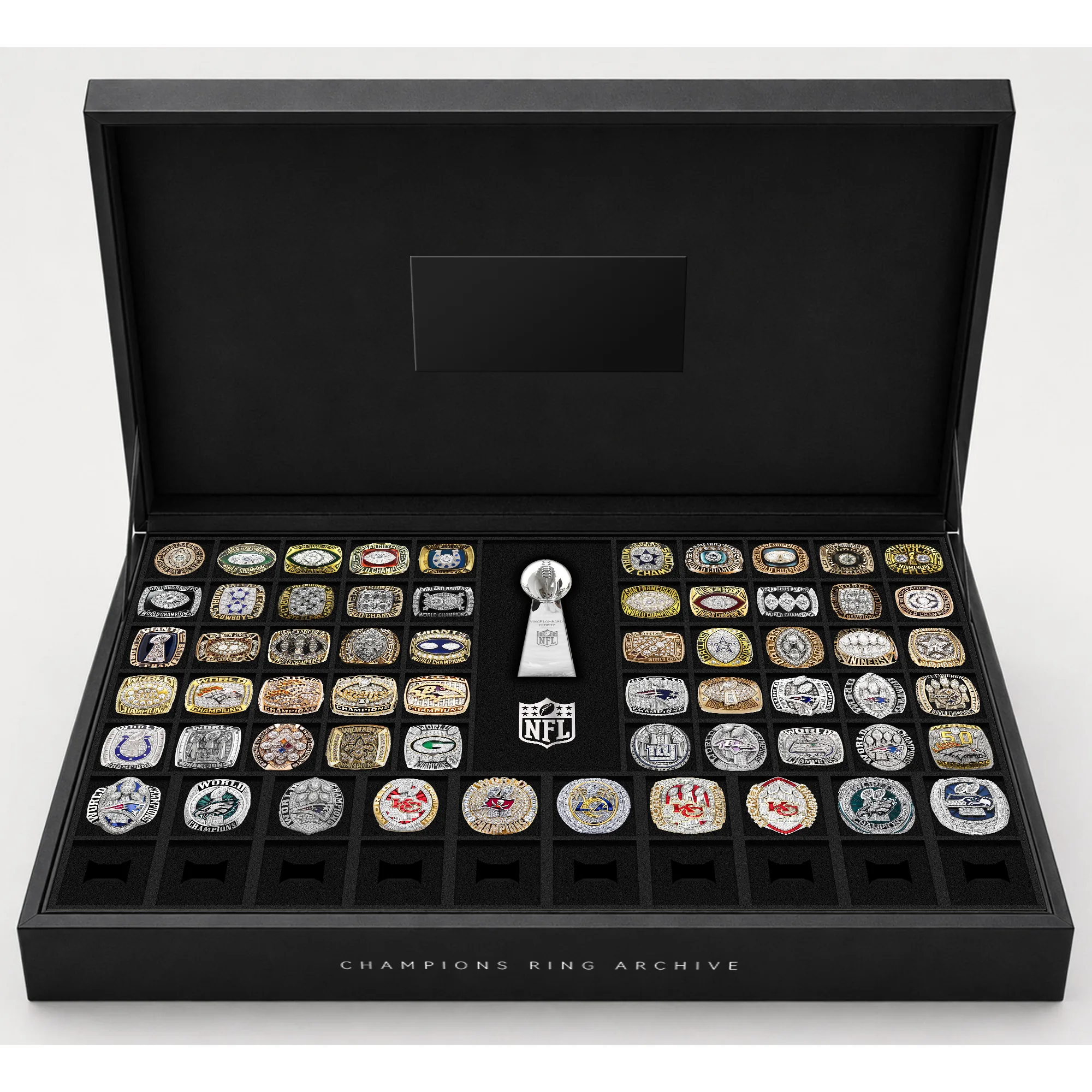

A display case should help a favourite piece feel at home in your room. Before choosing one, think about the object, the shelf and the way you want to see the collection each day. A few careful measurements and a simple plan for the arrangement are more useful than choosing a case by its outside appearance alone.
01 Measure the object before the case
Record the full height, width and depth of the piece, including its base, handles and decorative details. If you plan to use a stand or raise the object, include that in your measurements. Consider the room your hands will need when placing or removing it.
Compare these figures with the case's stated internal dimensions. External measurements describe the space the case occupies on your shelf; they do not tell you exactly how much room is available inside. Check which measurements a listing provides before deciding whether it fits.
02 Check the shelf and everyday access
Measure the shelf itself, then look at the route the case will take into position. Leave room for any door, lid or removable cover to open in the way described by the maker. A case that fits the shelf but is awkward to access can make the collection less enjoyable to maintain.
Check the stated capacity of the shelf or display unit and consider the case together with everything placed inside it. Choose a stable, level location with comfortable access, especially if you expect to change the arrangement regularly.
03 Choose a clear focal point
Begin with the piece you want people to notice first. Place it where its outline and most interesting details can be seen, then add supporting objects gradually. A collection linked by a team, a season or a personal memory often needs less explanation than a crowded assortment of unrelated pieces.
Try the arrangement on the shelf before committing to a more elaborate display. Look at it from your usual viewing position, including when you are seated. Leave enough visual space between objects for their shapes to remain distinct.
04 Look at the display in your own room
Room lighting and reflections influence how you see a collection. Consider the position of nearby windows and lamps, then review the arrangement at the times of day you use the room. Small changes in the viewing angle or the placement of the case can improve the way the details read.
Read the case's specifications for the features you need. Do not infer material, protection or lighting features from a photograph alone. Follow the maker's guidance for the case, the collectible and any display accessories used alongside them.
05 Leave room to care for the collection
Think about cleaning and handling as part of the layout. You should be able to remove a piece without pressing against its neighbours or reaching around fragile details. Keep the instructions for the case and the objects together so you can check the right care method when needed.
Allow some flexibility for the future, but build around the collection you have today. A well-chosen case can give one favourite object a strong presence. You can change the supporting pieces, adjust the spacing or start a second arrangement when a new story deserves its own place.
The right display is the one that fits your space and makes your collection easy to enjoy. Measure carefully, check the details of the case and keep the arrangement clear. The object should remain the reason to stop and look.